
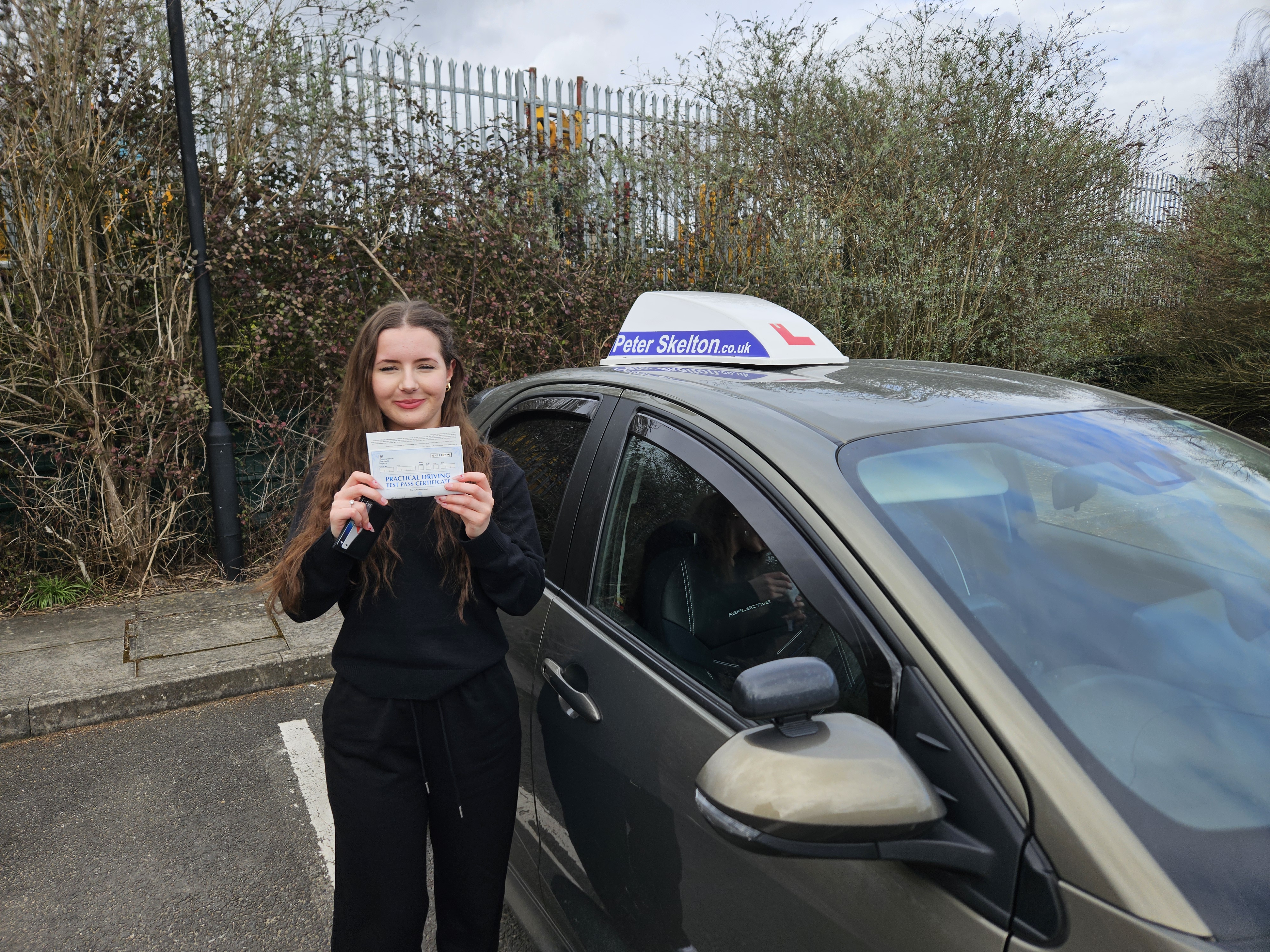
For many learner drivers, the driving test can feel like one of the most nerve-racking experiences they have ever faced. Even drivers who perform well during lessons can find their confidence shaken when the test day arrives. The good news is that feeling nervous is completely normal, and there are several ways to manage those nerves and give yourself the best possible chance of success.
One of the most effective ways to reduce anxiety is through preparation. Confidence often comes from knowing that you have practised thoroughly and are ready for the challenge. Regular lessons, private practice and becoming familiar with different road types and traffic situations can all help you feel more comfortable behind the wheel. The more experience you have, the less intimidating the test will seem.
Getting a good night’s sleep before the test is also important. Tiredness can affect concentration, reaction times and decision making. While it can be tempting to stay up late worrying about the test, being well rested will help you stay focused and alert during the drive. Eating a sensible meal beforehand can also help maintain energy levels and prevent feelings of light headedness or distraction.
Many learners find that arriving early helps calm their nerves. Rushing to the test centre at the last minute can increase stress and make it harder to settle down before the test begins. Arriving with plenty of time allows you to relax, gather your thoughts and prepare mentally.
Breathing techniques can also be surprisingly effective. When people become nervous, they often take quick, shallow breaths, which can make anxiety feel worse. Taking a few slow, deep breaths before and during the test can help lower stress levels and improve concentration. Focusing on your breathing for a few moments can help bring your attention back to the task at hand.
It is also important to remember that the examiner is not trying to catch you out. Their role is simply to assess whether you can drive safely and independently. Examiners understand that learners will be nervous and are trained to put candidates at ease. Many learners find that their nerves begin to settle once the test is underway.
A common mistake is dwelling on small errors. If you make a mistake during the test, try not to panic. Many learners assume they have failed after a minor error and allow this to affect the rest of their drive. In reality, small mistakes do not necessarily result in failure. The best approach is to stay focused, continue driving safely and concentrate on what is happening next.
Positive thinking can make a significant difference. Instead of worrying about failing, remind yourself that your instructor would not encourage you to take the test unless they believed you were ready. Trust the skills you have developed during your lessons and focus on driving as you normally would.
Ultimately, nerves are a natural part of taking a driving test. Almost every successful driver has experienced them at some stage. By preparing well, staying calm and maintaining a positive attitude, you can keep your anxiety under control and perform to the best of your ability. Remember, the driving test is simply an opportunity to demonstrate the safe driving skills you have already learned.