
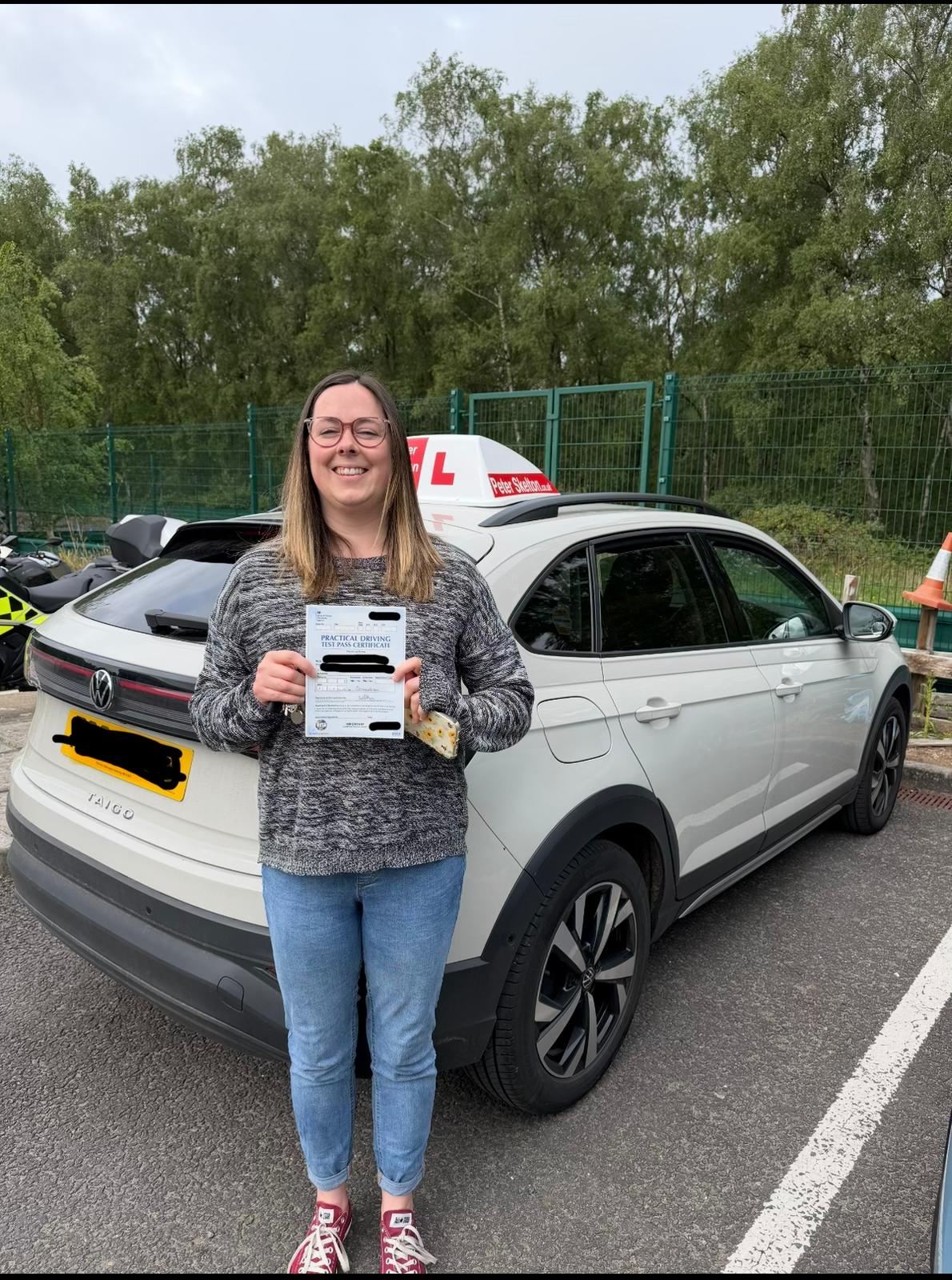
Cathy always maintained high expectations while ensuring I never felt pushed beyond my comfort level. She supported my progress by introducing a wide range of challenging and varied driving experiences, which really helped build my confidence.
Thanks to her guidance, I now feel confident enough to drive beyond my local area and explore independently. Having now passed my test, I can’t wait to take my son out and enjoy all the experiences we were previously missing out on.
Without hesitation, Cathy would be my first recommendation to anyone learning to drive. She is a truly excellent instructor. Thank you, Cathy!”
One important feature of learning to drive is recognising all the different types of crossing you may see around Newbury. Pedestrian crossings are an essential part of road safety in the UK, helping people cross busy roads more safely while encouraging drivers to remain alert and considerate. Found in towns, cities and villages across the country, crossings are designed to reduce accidents and improve safety for pedestrians, cyclists and other vulnerable road users. Understanding how each type of crossing works is an important part of learning to drive and using the roads safely.
One of the most recognisable crossings in the UK is the zebra crossing. Zebra crossings are marked by black and white stripes across the road and flashing amber Belisha beacons on either side. Drivers must give way when pedestrians are waiting to cross or have already stepped onto the crossing. Good observation is vital, particularly in busy areas near schools, shops and residential streets where pedestrians may step out unexpectedly.
Pelican crossings are another common type. These are controlled by traffic lights and use push-button systems for pedestrians. The word “Pelican” stands for “Pedestrian Light Controlled Crossing.” Drivers must stop when the traffic lights turn red, allowing pedestrians to cross safely. Unlike zebra crossings, pedestrians do not automatically have priority until the lights change. Pelican crossings often include flashing amber signals, allowing drivers to continue if the crossing is clear after pedestrians have finished crossing.
Puffin crossings are newer versions of pelican crossings and are becoming increasingly common across the UK. Puffin stands for “Pedestrian User-Friendly Intelligent Crossing.” These crossings use sensors to detect pedestrians and can adjust the timing of the lights depending on whether people are still crossing. This technology helps improve traffic flow while maintaining pedestrian safety.
Toucan crossings are designed for both pedestrians and cyclists. The name comes from the phrase “two can cross.” These crossings are wider and allow cyclists to remain on their bikes while crossing the road. They are commonly found near cycle paths and shared-use routes. Drivers should remain especially aware of cyclists approaching at speed when nearing these crossings.
There are also Pegasus crossings, which are specifically designed for horse riders. These are less common but can be found in rural areas or near bridleways. Pegasus crossings are equipped with higher push buttons so riders can activate the signals without dismounting from their horses.
Pedestrian crossings play a major role in the UK driving test. Learner drivers are expected to approach crossings with caution, check mirrors regularly and anticipate the actions of pedestrians. Examiners look carefully at observation, speed control and whether drivers show patience and awareness around crossings.
Modern changes to the Highway Code have also increased the emphasis on pedestrian priority. Drivers are now encouraged to give way to pedestrians waiting to cross at junctions, reinforcing the importance of protecting vulnerable road users. These updates aim to make roads safer and encourage greater consideration between all users.
Despite the clear rules, accidents can still occur at pedestrian crossings due to distraction, speeding or poor observation. Mobile phone use and impatience are common factors in many incidents. Both drivers and pedestrians must remain alert and avoid making assumptions about each other’s actions.
Overall, pedestrian crossings are a vital part of the UK road network. They improve safety, support walking and cycling, and help create more organised traffic flow. Whether driving or walking, understanding how crossings operate is essential for keeping roads safer for everyone.